
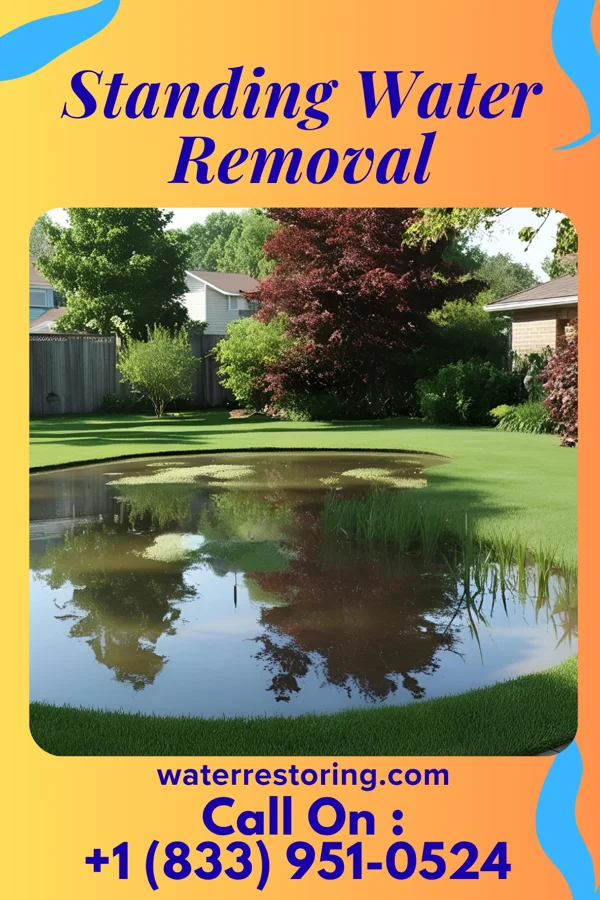
Standing Water Risks in Laytonsville
Property owners across Laytonsville call certified water damage restoration when In Laytonsville, Maryland, the primary water damage cause is often due to leaking roof systems, especially during the frequent summer thunderstorms that affect Montgomery County. Additionally, plumbing failures in older homes, particularly in areas near Flower Hill and Brookeville, contribute significantly to water intrusion.. A close second is Secondary causes include sump pump failures during heavy rainfall, backed-up sewers in the rural areas near Montgomery Village, and groundwater seepage in low-lying parts of Laytonsville. These issues are exacerbated by the region's clay soil, which can retain water and lead to prolonged saturation..
Laytonsville experiences a humid subtropical climate with high rainfall in the spring and summer, increasing the risk of water damage. The area is also prone to flash flooding, particularly in the lower elevations near Flower Hill and Brookeville, which can overwhelm drainage systems.
Laytonsville experiences a humid subtropical climate with high rainfall in the spring and summer, increasing the risk of water damage. The area is also prone to flash flooding, particularly in the lower elevations near Flower Hill and Brookeville, which can overwhelm drainage systems. The dominant local driver is In Laytonsville, Maryland, the primary water damage cause is often due to leaking roof systems, especially during the frequent summer thunderstorms that affect Montgomery County. Additionally, plumbing failures in older homes, particularly in areas near Flower Hill and Brookeville, contribute significantly to water intrusion., with Secondary causes include sump pump failures during heavy rainfall, backed-up sewers in the rural areas near Montgomery Village, and groundwater seepage in low-lying parts of Laytonsville. These issues are exacerbated by the region's clay soil, which can retain water and lead to prolonged saturation. showing up as the next most common cause. Damage builds in stages. Spread. Absorption. Microbial growth. Structural compromise. Every stage you pass through adds to the final bill.